
If you’ve recently had an electrical inspection, a consumer unit quote, or you’re in the middle of a renovation, it’s likely you’ve heard something along the lines of:
“You’ve got Type AC RCDs — these should really be Type A now.”
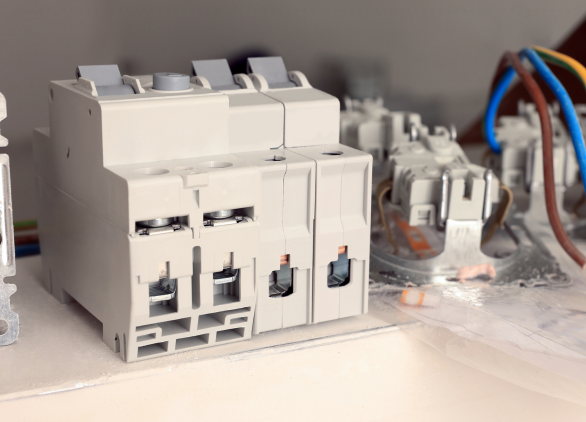
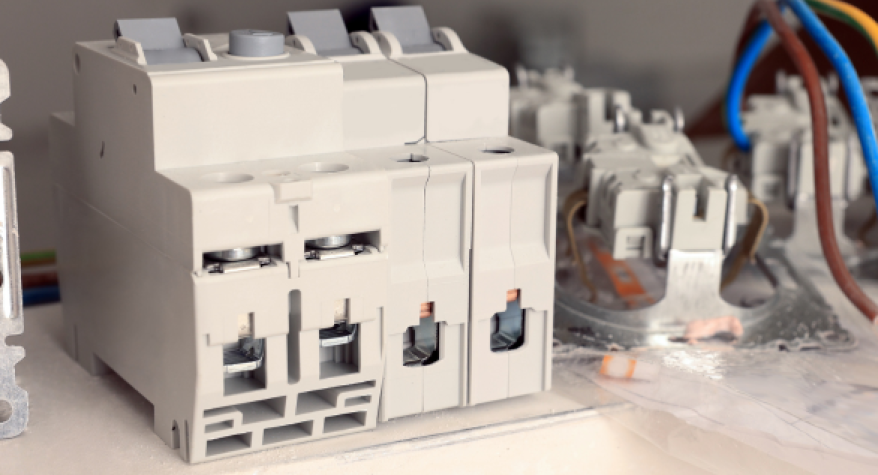
For most homeowners, that raises a few questions straight away.
What’s the difference?
Is it actually unsafe?
And why has this suddenly changed?
We deal with this regularly as electricians in Leeds, especially in areas like Horsforth, Chapel Allerton, Wetherby and Ilkley where a lot of homes are being upgraded or modernised.
The short answer is:
- your electrics haven’t suddenly become dangerous overnight — but standards have moved on because the way we use electricity has changed.
The Situation Most Homes Are In
In most properties built or updated 10–20 years ago, you’ll typically find Type AC RCDs in the consumer unit.
At the time, these were completely standard and compliant.
But fast forward to now, and the number of electronic devices in a typical home has increased massively:
- LED lighting
- Induction hobs
- EV chargers
- Smart home systems
- Modern appliances with electronic controls
And this is where the issue starts to come in.
First, What Does an RCD Actually Do?
Before getting into types, it helps to keep this simple.
An RCD (Residual Current Device) is there to protect you from electric shock.
It works by constantly monitoring the flow of electricity.
If it detects an imbalance (meaning electricity is leaking somewhere it shouldn’t), it trips and cuts the power almost instantly.
In most cases, it’s what stops a fault becoming something more serious.
What Is a Type AC RCD?
A Type AC RCD is designed to detect pure alternating current (AC) faults.
That was fine when most electrical loads in homes were simple:
- Basic lighting
- Kettles, ovens, heaters
- Traditional appliances
In that kind of setup, faults were predictable and straightforward.
What Is a Type A RCD?
A Type A RCD can detect:
- Standard AC faults
- Pulsating DC faults (this is the important part)
Pulsating DC faults are created by modern electronic equipment — which is now in almost every home.
Why This Difference Matters in Real Life
Here’s where it becomes relevant.
Some modern devices can produce a type of fault current that Type AC RCDs may not detect properly.
In certain situations, they can even become “blinded” — meaning:
they might not trip when they’re supposed to.
That’s obviously not something you want from a safety device.
Type A RCDs are designed to handle these modern fault conditions, which is why they’ve become the standard.
Why the Regulations Changed
The shift mainly came with updates to the wiring regulations, particularly BS 7671 (often referred to as the 18th Edition and its amendments).
The key reason wasn’t that older systems suddenly became unsafe.
It’s that:
homes now contain far more electronics than they used to.
Regulations had to adapt to reflect how electricity is actually being used today.
In most cases, the guidance now is:
- Type AC RCDs are no longer recommended for general use
- Type A RCDs should be used instead
Common Situations Where This Comes Up
We usually see this in a few specific scenarios around Leeds.
Consumer Unit Upgrades
If you’re replacing your fuse board, everything will be brought up to current standards.
That means Type A RCD protection as standard.
Electrical Installation Condition Reports (EICRs)
During an inspection, Type AC RCDs will often be flagged.
Not necessarily as “dangerous”, but as:
- Not compliant with current standards
- Recommended for upgrade
Renovations and Extensions
If you’re doing any significant electrical work, new circuits will need to meet current regs.
That includes using Type A protection.
Does This Mean You Need to Upgrade Immediately?
This is where it’s important to be realistic.
If your system is:
- In good condition
- Has no faults
- Has been tested properly
…it’s not usually an emergency.
However:
- It may be flagged during inspections
- It won’t meet current best practice
- It could affect future work or certification
In most cases, the best way to deal with this is to upgrade when it makes sense — for example during other electrical work or a planned consumer unit replacement.
What We Usually Recommend
When we’re advising homeowners in Leeds and surrounding areas, we keep it straightforward.
If You’re Renovating or Upgrading
Upgrade the consumer unit and bring everything in line with current regulations.
It’s the cleanest, most future-proof option.
If You’re Staying Put With No Major Work Planned
Have the system tested.
If everything is safe and functioning properly, you can plan an upgrade rather than rushing into it.
If You’re Unsure
Get a proper assessment.
We deal with this regularly, and it can usually be explained clearly without overcomplicating things.
A Simple Way to Think About It
- Type AC = designed for older-style electrical loads
- Type A = designed for modern homes with electronics
It’s not about old vs dangerous.
It’s about making sure your safety devices match how your home is actually being used today.
Why This Matters More in Modern Homes
With the rise of:
- Smart lighting
- Home automation
- EV charging
- Energy-efficient appliances
…the electrical environment in homes has changed quite a bit.
And this is only going to continue.
So making sure your protection devices are up to date is just part of keeping everything working safely and reliably.
Thinking About an Upgrade?
If you’re in Leeds or nearby areas like Horsforth, Chapel Allerton, Wetherby or Ilkley and you’ve been told about upgrading your RCDs — or you’re not sure what you currently have — it’s worth getting a clear answer.
We’ll always give you a straightforward view:
- What you’ve got
- Whether it’s an issue
- What (if anything) needs doing
No pressure, no overcomplicating it.
Need a Bit of Advice?
If you’re dealing with this, planning a renovation, or thinking about a consumer unit upgrade, feel free to get in touch.
Happy to take a look, explain things properly, and help you decide what’s actually worth doing.
You can send over a photo of your consumer unit or arrange a visit — whatever’s easiest.