
If you’ve started planning a smart home — whether it’s lighting, heating, security, or audio — it’s likely you’ve focused on the visible parts.
The lighting scenes. The app control. Maybe even voice control.
But there’s one part most people don’t think about until something stops working:
The home network.
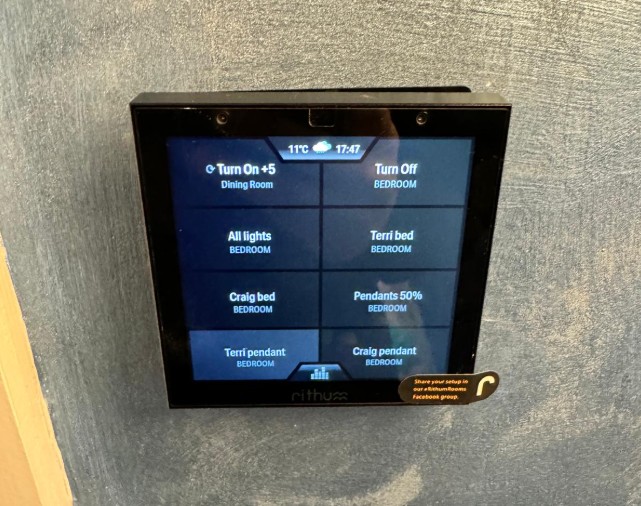
We deal with this regularly across Leeds, Alwoodley, Roundhay and Harrogate. Everything looks great on paper, but once it’s installed, things start dropping out, running slowly, or just not responding properly.
In most cases, the issue isn’t the smart system itself.
It’s the network behind it.
The Real Situation Most Homes Are In
A lot of properties we go into — even high-end ones — are running on fairly basic WiFi setups:
- A single router from the internet provider
- Maybe a couple of boosters or extenders
- Devices spread across different connections
- No real structure behind it
That might be fine for general use — phones, laptops, streaming.
But once you start adding:
- Smart lighting systems
- App-controlled heating
- CCTV and doorbells
- Multi-room audio
- Smart TVs and media systems
…it quickly becomes overloaded.
And that’s when problems start creeping in.
Why It Matters More Than People Think
Smart homes rely on communication.
Your lights, switches, apps, and systems are all constantly talking to each other.
If that connection isn’t stable, you’ll notice things like:
- Lights responding slowly (or not at all)
- Apps lagging or disconnecting
- Devices randomly dropping offline
- Voice control becoming unreliable
- Systems working one day, not the next
It’s a common issue — and in most cases, it can be sorted fairly quickly once the network is set up properly.
What a Proper Smart Home Network Looks Like
This is where things differ from a standard WiFi setup.
A well-designed home network is built around reliability first, not just coverage.
Strong, Consistent WiFi Coverage
It’s not just about having WiFi everywhere — it’s about having stable WiFi everywhere.
In most cases, we’d install a mesh or multi-access point system rather than relying on one router.
This means:
- Seamless coverage across the whole house
- No dead spots
- Devices don’t “drop off” when you move between rooms
Especially important in larger homes or properties with thick walls (which we see a lot in Leeds).
Wired Connections Where It Matters
WiFi is convenient — but it’s not always the most reliable option.
For key parts of the system, we’d usually recommend hardwiring (data cabling), such as:
- Smart lighting hubs
- TVs and media systems
- Home offices
- Wireless access points themselves
This reduces load on the WiFi and makes everything more stable.
A Structured, Planned Setup
Instead of adding devices randomly, everything is planned properly:
- Correct placement of access points
- Network segmentation where needed
- Enough capacity for current and future devices
It’s not overcomplicated — just done properly from the start.
Where Things Usually Go Wrong
We see the same issues come up time and time again.
Relying on ISP Routers
The router you get from your internet provider isn’t designed for a smart home.
It’s designed to be basic, cheap, and “good enough” for general use.
Once you start building a proper system around it, it becomes a bottleneck.
Using WiFi Extenders
Extenders seem like a quick fix — but they often create more problems:
- Separate networks
- Slower speeds
- Dropouts when moving around the house
In most cases, the best way to deal with this is to replace them with a proper system.
Too Many Wireless Devices
Every smart device adds load to your network.
Without proper infrastructure, things start competing for bandwidth and stability.
No Planning During Renovation
This is a big one.
If cabling and network design aren’t considered early on, you end up working around limitations later.
And that usually means compromises.
How This Affects Smart Lighting (And Everything Else)
Smart lighting is often one of the first systems people install — and one of the first to show network issues.
You might notice:
- Delays when pressing a switch
- Scenes not triggering properly
- App control being inconsistent
Systems like Lutron, Rako, and setups using Shelly are all very reliable — when the network is right.
If the network isn’t solid, even the best systems can feel unreliable.
What We Typically Recommend
If you’re planning a smart home in Leeds or the surrounding areas, this is the approach we’d usually take.
Start With the Network, Not the Gadgets
It might not be the exciting part, but it’s the most important.
A solid network makes everything else work properly.
Design It Around the Property
Every home is different.
- Layout
- Size
- Building materials
- How you use the space
All of this affects how the network should be set up.
You don’t need something overly complicated.
You just need something that:
- Covers the whole house properly
- Handles the number of devices
- Works consistently
Future-Proof Where Possible
Most homes are adding more smart tech over time.
So it makes sense to allow for that from the start, rather than having to upgrade again later.
A Common Example We See
A homeowner in Roundhay recently had:
- Smart lighting installed
- New TVs and audio systems
- Video doorbell and CCTV
All running off a single router with a couple of extenders.
On paper, everything should have worked.
In reality:
- Lighting was slow to respond
- Streaming would buffer
- Devices kept dropping offline
Once we replaced the network with a properly designed setup:
- Everything responded instantly
- No dropouts
- System felt “solid”
That’s usually the difference a proper network makes.
It’s Not About Speed — It’s About Stability
A lot of people assume they just need faster internet.
In most cases, that’s not the issue.
You can have very fast broadband — but if the internal network isn’t set up properly, you’ll still have problems.
What matters more is:
- Stability
- Coverage
- Device management
So, Is It Worth Investing in a Proper Network?
If you’re planning any level of smart home system — even just lighting — then yes.
It’s one of those things that:
- You don’t notice when it’s done right
- But you definitely notice when it’s not
And it affects everything else in your home.
Thinking About a Smart Home Setup?
If you’re renovating, building, or upgrading your home in Leeds, it’s worth looking at the network early on.
It can usually be built into the wider electrical or smart home plan without much disruption — and it saves a lot of hassle later.
We deal with this regularly, from simple WiFi improvements to full home network and smart system installations.
We’ll always give you a clear, honest view of what’s needed — nothing over the top, just what will actually work in your home.
Need a Bit of Advice?
If you’re not sure whether your current setup will handle a smart home, or you’re planning a project and want to get it right from the start, feel free to get in touch.
Happy to take a look, talk things through, or review plans.
You can send over a layout, a few photos, or just explain what you’re aiming for — and we’ll guide you from there.