
Most people would not think twice about booking their car in for an MOT.
You want to know the brakes work, the tyres are safe and there is nothing developing that could leave you stranded or cause a bigger problem later. The same applies to a boiler. Even when it appears to be working fine, it is sensible to have it serviced before a fault leaves you without heating or hot water.
Yet electrics are often treated differently.
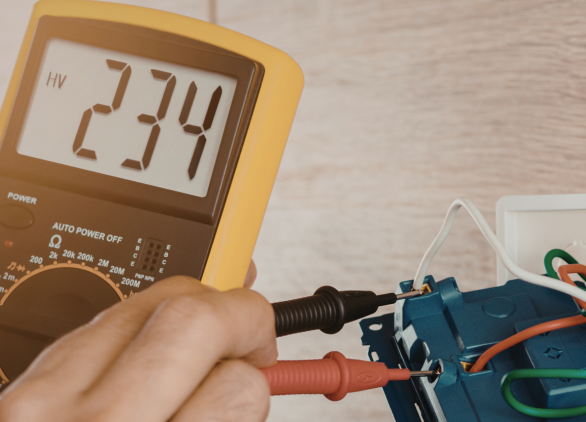
If the lights come on, the sockets work and the fuse box has not tripped recently, it is easy to assume everything is fine. The problem is that electrical issues can remain hidden for years.
Cables are buried in walls. Connections sit behind sockets and switches. Circuits run under floors and above ceilings. You cannot usually see a loose connection, deteriorating cable insulation, inadequate earthing or an overloaded circuit until it starts causing disruption.
Sometimes that disruption is minor at first. A circuit will not reset. A socket stops working. Lights flicker. Power goes off to part of the property.
Other times, the issue only becomes obvious when it has developed into something more serious.
That is why regular electrical inspection and testing matters for homes, offices, retail units, warehouses, hospitality venues and commercial premises across Leeds and the surrounding areas.
An Electrical Installation Condition Report, usually known as an EICR, is designed to assess the condition of the fixed electrical installation and identify damage, deterioration, defects or potentially dangerous conditions before they become a bigger issue.
Why Electrics Are Easy to Neglect
Electrical systems are built to be out of sight.
That is normally a good thing. Nobody wants cables running across walls or consumer units in the middle of a living room. But it also means the warning signs are not always obvious.
A property can have electrics that appear to work day to day while problems are developing in the background.
It is likely that many homeowners only start thinking about an electrical inspection when something goes wrong. The fuse box starts tripping. A new appliance keeps cutting the power. A circuit will not reset. There is a burning smell from a socket. Or an electrician finds an issue while carrying out unrelated work.
By that stage, the problem may have been there for some time.
In most cases, regular inspection and testing is about finding issues earlier, when they can usually be dealt with more simply and with less disruption.
The MOT Comparison Makes Sense
Your car MOT does not guarantee that nothing will ever go wrong with the vehicle. It is a check of its condition at a particular point in time.
An EICR works in a similar way.
It does not magically upgrade an old electrical installation or prevent every future fault. What it does is give you a clear assessment of its current condition, identify concerns and recommend any work needed to keep it safe for continued use.
For homeowners, that might reveal ageing wiring, a dated consumer unit, damaged sockets, missing protective measures or circuits that need further investigation.
For businesses, it may identify issues that could affect staff safety, customer safety, insurance requirements, business continuity or the ability to keep trading without interruption.
The aim is not to create unnecessary work. It is to give you a proper picture of what is happening behind the walls and inside the distribution board.
What Is an EICR?
An EICR is a detailed inspection and test of a property’s fixed electrical installation.
It looks at the parts of the installation that supply the building, including the consumer unit or distribution board, circuits, wiring, sockets, switches, fixed lighting and wired-in equipment.
The electrician will carry out visual checks and electrical tests to assess whether the installation is suitable for continued use. The report can identify signs of wear, damage, poor workmanship, defects, dangerous conditions and issues that may not meet current safety requirements.
At the end of the inspection, you receive a written report explaining the findings.
Where issues are found, they are normally classified so you can understand what needs immediate attention, what requires improvement and what may need further investigation.
A satisfactory report means the installation was considered suitable for continued service at the time of inspection. An unsatisfactory report means remedial work is required to address the concerns identified.
Hidden Electrical Problems an Inspection Can Help Identify
Electrical faults are not always dramatic.
Sometimes there is no spark, smoke or obvious warning. The installation may simply have been altered over the years, overloaded by modern appliances or allowed to deteriorate gradually.
An electrical inspection may identify issues such as:
- Damaged or deteriorating cable insulation
- Loose connections within sockets, switches or the consumer unit
- Signs of overheating
- Circuits without suitable protective devices
- Problems with earthing and bonding
- Overloaded circuits
- Incorrect circuit labelling
- Poor-quality or non-compliant previous work
- Outdated fuse boards or consumer units
- Damaged accessories such as switches and sockets
- Wiring that may need further investigation
- RCD protection that is missing or not operating correctly
Not every issue means a full rewire or major upgrade is needed.
In many cases, the report gives you a clear list of priorities. Some items may need urgent attention, while others can be planned into future improvements.
That is far better than waiting until a circuit fails and you are left without power to part of the property.
Signs You Should Arrange Electrical Inspection and Testing
There are some situations where an EICR is particularly sensible.
For homeowners in Leeds, it is worth arranging an inspection if:
- You have not had the electrics checked for many years
- You have recently bought an older property
- You are planning a kitchen extension, loft conversion or major renovation
- You are considering a consumer unit upgrade
- Circuits keep tripping or will not reset
- Lights flicker or sockets feel loose
- You have noticed discolouration, buzzing or burning smells
- You have inherited DIY electrical work from a previous owner
- You are adding higher-demand equipment such as an EV charger, induction hob, hot tub or air conditioning
- You are preparing to sell and want a clearer picture of the installation
Electrical Safety First recommends that owner-occupiers arrange periodic inspection and testing at least every ten years, or sooner where there is a reason to be concerned about the installation.
That does not mean you should ignore obvious warning signs until the ten-year point. If something is not working correctly, it is best to get it checked sooner.
Why Businesses Need Regular Electrical Testing
For businesses, electrical inspection and testing is not just about keeping the lights on.
A loss of power can stop staff working, close a retail unit, affect stock, interrupt IT systems, shut down machinery or create a safety issue for customers and visitors.
The electrical installation in a commercial property can also experience more wear than a typical home. Offices may have large amounts of IT equipment. Retail premises may have display lighting, refrigeration and point-of-sale systems. Warehouses and industrial buildings may use machinery, charging equipment, three-phase supplies and equipment operating in tougher conditions.
Under the Electricity at Work Regulations, employers, dutyholders and those responsible for workplaces have duties to maintain electrical systems so far as necessary to prevent danger. HSE guidance specifically advises arranging inspection and testing of fixed wiring installations to minimise deterioration that could lead to danger.
The right inspection interval will depend on the premises, how the installation is used, the working environment and the findings of previous reports.
A busy warehouse, commercial kitchen or industrial unit may need a different approach from a low-use office. The important thing is having a sensible inspection programme rather than treating the electrics as something to deal with only when they fail.
EICRs Are Not the Same as PAT Testing
This is a common point of confusion.
PAT testing, or portable appliance testing, looks at portable electrical equipment such as kettles, extension leads, computers, power tools and appliances.
An EICR looks at the fixed electrical installation itself. That includes the wiring, circuits, consumer unit or distribution board, sockets, switches and fixed equipment.
Businesses may need both.
Portable equipment should be maintained in a way that reflects the level of risk, how it is used and the environment it is used in. HSE advises that visual checks, formal inspections and testing should be proportionate to the risk rather than done to a fixed one-size-fits-all timetable.
A PAT testing programme does not replace a proper fixed-wire inspection.
Although this article is mainly for homeowners and businesses, it is worth mentioning landlords.
In England, private landlords must ensure electrical installations are inspected and tested by a qualified person at least every five years, or more frequently where the previous report recommends it.
The report needs to be retained, and any required remedial work must be dealt with within the timeframe stated.
For landlords in Leeds, an EICR is not just useful reassura
What happens during inspection?
A proper electrical inspection is more than a quick look at the fuse board.
The electrician will usually start by reviewing the installation, the number of circuits, the age and type of consumer unit or distribution board, and any known issues.
They will then inspect accessible parts of the installation and carry out a range of tests to assess the condition and safety of the circuits.
Depending on the property, this may involve checking:
- Consumer units and distribution boards
- Circuit breakers and RCD protection
- Sockets, switches and lighting points
- Earthing and bonding
- Cable condition where accessible
- Circuit loading
- Continuity, insulation resistance and polarit
- Whether protective devices operate correctly
- Signs of overheating, damage or unsuitable alterations
There may be short periods where power needs to be switched off for testing. A good electrician will explain this before starting and plan around the needs of your home or business wherever possible.
The report should then explain the findings clearly, without unnecessary jargon.
Regular Testing Can Save Money in the Long Run
Nobody wants to pay for repairs they were not expecting.
But dealing with a developing fault before it causes a full circuit failure, damage to equipment or disruption to the business can often be more straightforward than responding to an emergency.
For homeowners, early action may prevent a relatively contained issue becoming a larger job involving damaged accessories, fault tracing, consumer unit work or more extensive repairs.
For businesses, the cost of unexpected downtime can be greater than the cost of planned maintenance. Lost trading, disrupted staff, cancelled appointments, damaged equipment and urgent call-outs can all add up quickly.
It is the same reason people maintain vehicles, boilers and heating systems. You are not paying for a problem to be found. You are paying for clarity and a chance to deal with issues before they escalate.
Choosing the Right Electrician for Inspection and Testing
Inspection and testing needs to be carried out by someone competent to do the work.
For a home or business in Leeds, look for an electrician who is properly registered, insured and experienced in the type of premises being inspected.
You should expect:
- A clear explanation of what is being inspected
- A written quote or agreed scope of work
- Minimal disruption where possible
- Proper testing equipment
- A detailed EICR after the inspection
- Clear advice on any remedial work required
- No pressure to carry out unnecessary upgrades
For commercial properties, it also helps to work with an electrician who understands the need to plan work around opening hours, staff, customers, equipment and operational requirements.
Electrical Inspection and Testing in Leeds
At Smart Ohm, we carry out electrical inspection and testing for homeowners, landlords and businesses across Leeds and the surrounding areas.
Whether you are concerned about an older property, a consumer unit that keeps tripping, an upcoming purchase, a commercial compliance requirement or simply cannot remember when the electrics were last checked, we will give you a clear and honest assessment.
We provide domestic and commercial electrical testing and maintenance, with work carried out by qualified, insured electricians.
Smart Ohm is NAPIT registered, TrustMark Approved and a Which? Trusted Trader.
Electrical faults are often hidden in plain sight until they become difficult to ignore.
If you are dealing with circuits that will not reset, intermittent power loss, an older electrical installation or an overdue inspection, get in touch. Happy to take a look and advise on electrical inspection and testing in Leeds.