
You can spend a lot of time and money getting a room finished properly. The media wall is built, the joinery is fitted, the plastering is done and the decorating looks spot on.
Then the evening comes, the main ceiling lights go on, and the room still feels a bit flat.
It is likely that the missing piece is the lighting.
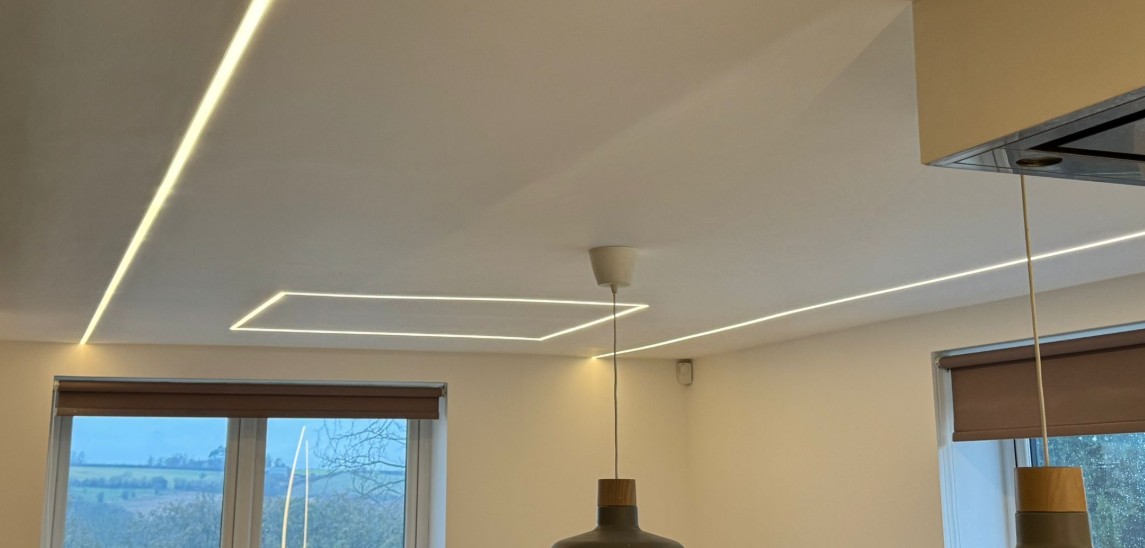
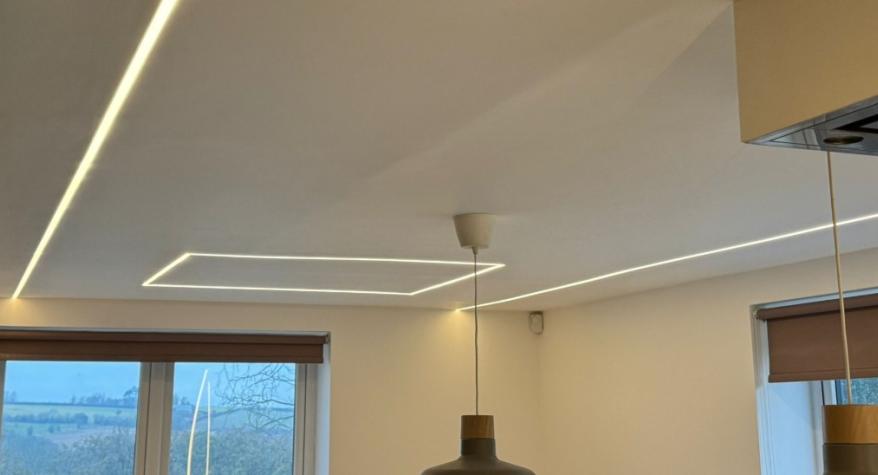
Bespoke LED lighting can make a major difference to how a room looks and feels, especially in the evenings. It can add depth to a media wall, make a staircase safer to use at night, bring fitted joinery to life and give a feature ceiling a softer, more finished look.
The problem is that LED lighting is often left until the very end of a project.
By that point, walls have been plastered, joinery has been fitted and access for cables, drivers and controls is limited. What should have been a clean, built-in feature can end up looking like an afterthought.
For homeowners planning renovations, extensions and interior upgrades in Leeds, the best way to deal with this is to bring the lighting plan in early. That gives you more choice, a cleaner finish and a system that is practical to use every day.
At Smart Ohm, we provide bespoke LED lighting installation in Leeds for media walls, staircases, fitted furniture, feature ceilings and home improvement projects where the electrical side needs doing properly.
What Does Bespoke LED Lighting Mean?
Bespoke LED lighting is not simply sticking an LED strip under a shelf or behind a television.
It means the lighting is designed around your room, the features you want to highlight and the way you actually use the space.
That could include:
- Concealed LED lighting inside a media wall
- LED strips fitted into aluminium channels within joinery
- Low-level stair lighting for safer night-time use
- Warm lighting inside wardrobes, alcoves or display shelving
- Feature ceiling lighting around coves, bulkheads or shadow gaps
- Separate lighting zones for relaxing, watching television or entertaining
- Dimmable or smart-controlled lighting that suits different times of day
In most cases, the best LED lighting is the type you notice without really seeing where it is coming from.
The light should feel soft, even and intentional. You should not be looking directly at exposed LED dots, visible cables or a bright strip stuck to the underside of a shelf.
Media Wall Lighting Ideas for Leeds Homes
Media walls are one of the most popular places for bespoke LED lighting in Leeds.
A well-designed media wall often includes a television, fireplace, shelving, storage and decorative finishes such as timber slats, stone-effect panels or painted plasterwork. Without lighting, it can look good during the day but lose some of its impact in the evening.
The right media wall lighting can create depth and make the whole area feel more balanced.
Popular media wall lighting ideas include:
- LED lighting inside alcove shelves
- Soft backlighting behind the television
- Lighting below floating cabinets
- Warm LEDs around a fireplace recess
- Lighting behind slatted timber panels
- LED strips within display shelves
- Concealed lighting around the outer edge of the feature wall
What we would usually recommend is keeping the light warm and subtle.
A media wall does not need to be brightly lit from every angle. The aim is normally to create a soft glow that makes the room feel comfortable, rather than turning the wall into the main source of light.
Separate controls are also worth considering. You may want the media wall lighting switched independently from the main ceiling lights, so you can create a relaxed evening setting without lighting the whole room at full brightness.
For homeowners planning a media wall in Leeds, this is something worth discussing before the framework and plasterboard go up. Once the wall is closed in, it can be much harder to hide cables and position power supplies neatly.
Staircase LED Lighting: Style and Practical Safety
Staircase lighting is another area where LED lighting can make a big difference.
A staircase is often one of the first features people see when they enter a home. In larger family houses, renovated period properties and modern extensions around Leeds, the hallway and stairs can become a real focal point.
Lighting can help make that space feel more considered while also giving you a practical benefit at night.
Common staircase lighting ideas include:
- LED lighting beneath a handrail
- Recessed wall lights along the stairs
- Low-level lights at skirting height
- LED strips under stair treads
- Lighting beneath floating stairs
- Soft lighting around landings
- LED lighting within a feature timber or slatted wall
The key is to avoid glare.
You do not want bright lights shining directly into someone’s eyes as they walk upstairs. The lighting should gently guide the route and make the staircase safer to use without being distracting.
Under-handrail lighting works particularly well because it gives a clean line of light while keeping the actual LED strip hidden. Recessed step lights can also be useful where you want a more minimal finish.
It is a common issue for homeowners to rely on the main hallway light at night. That can feel too bright, especially if children are asleep or someone is getting up early. Low-level stair lighting gives you a softer option.
LED Lighting for Fitted Joinery and Storage
Bespoke joinery is becoming more common in Leeds homes, particularly in living rooms, bedrooms, home offices and extensions.
Fitted wardrobes, alcove units, bookcases, dressing rooms and built-in storage can all benefit from discreet LED lighting.
Used properly, it can make the joinery feel more premium while also making it easier to use.
Popular fitted joinery lighting ideas include:
- Wardrobe rail lighting
- Lighting inside wardrobes and drawers
- LED strips beneath shelves
- Display lighting in bookcases
- Illuminated alcove shelving
- Lighting around dressing tables
- Home office shelf lighting
- Pantry and utility cupboard lighting
- Lighting beneath bench seating or window seats
Wardrobe lighting is one of the most practical examples. It is especially useful in deeper fitted wardrobes where natural light does not reach properly.
Display lighting can also work well in living rooms and home offices, particularly where you have books, artwork, decorative objects or textured finishes you want to highlight.
The important part is making sure the electrical design is considered before the joinery is fitted.
Drivers, cables and access points need to be planned carefully. You do not want a driver hidden behind a panel that can only be reached by taking half the unit apart later.
We deal with this regularly on home improvement projects. The best results usually come when the electrician, joiner and homeowner are working from the same plan before installation starts.
Feature Ceiling LED Lighting
Feature ceiling lighting can completely change the atmosphere in a room.
It works particularly well in open-plan kitchen extensions, living rooms, loft conversions, bedrooms and spaces where you want something softer than a row of downlights.
Instead of lighting the room directly from above, feature ceiling LEDs can create indirect light that reflects across the ceiling or walls.
Ideas include:
- LED lighting inside ceiling coves
- Shadow-gap lighting around the perimeter of a room
- Lighting around a dropped ceiling or bulkhead
- LED strips around roof lanterns
- Lighting above curtain pelmets
- LED lighting within slatted ceiling features
- Soft perimeter lighting in a bedroom or lounge
This works well because it gives you layers of light.
For example, in a kitchen extension you may have practical downlights over worktops, pendant lights over the island or dining table, and concealed LED lighting around the ceiling for the evening.
That gives you more control over the feel of the space.
You do not always want every light on at once. In most cases, separate lighting zones make a room more useful and more comfortable.
Why Planning LED Lighting Early Matters
Lighting is often one of the last things people think about during a renovation.
The flooring, kitchen, furniture and decorating usually get most of the attention. But if you want a genuinely clean LED lighting installation, it needs to be considered before walls are closed up and joinery is fitted.
Planning early gives you more options for:
- Hidden cable routes
- Driver locations
- Switching and dimming controls
- Smart lighting integration
- Lighting zones
- Access for future maintenance
- Recessed LED channels
- Safe power supplies
- Neat finishes around plasterwork and joinery
When LED lighting is added late, compromises are more likely.
That can mean visible cables, surface-mounted trunking, awkward switch locations or lighting that does not sit neatly within the finished design.
It can usually still be sorted, but the result is often better when the electrical work is planned before the room is completed.
Choosing the Right LED Colour Temperature
The colour of the light matters more than many people expect.
For living rooms, bedrooms, media walls and feature areas, warm white lighting usually gives the best result. It feels softer and works well with timber, darker paint colours, soft furnishings and relaxed evening spaces.
Cooler lighting can be more suitable in garages, workshops, utility rooms and areas where practical task lighting is the priority.
The main thing is consistency.
Mixing warm LED strips with cool white downlights and neutral pendants in the same room can make the space feel disjointed. A well-planned LED lighting installation keeps the overall look balanced.
The best option depends on the room, the finishes and how you want the space to feel in the evening.
Common LED Lighting Mistakes to Avoid
It is easy to buy cheap LED strips online and assume they will do the same job as a professionally planned installation.
Sometimes they will work for a short-term project. But where LED lighting is being built into a media wall, staircase, feature ceiling or fitted joinery, it is worth doing properly.
Common problems include:
- Visible LED dots instead of smooth light
- Harsh blue-toned lighting
- Cheap adhesive failing over time
- Exposed cables and connectors
- Drivers hidden where they cannot be accessed
- No dimming or separate lighting zones
- Overly bright LEDs in relaxing spaces
- Poor-quality strips that fade or fail early
- Lighting installed where it causes glare
- Joinery fitted before the electrical routes are planned
A proper bespoke LED lighting installation uses suitable components, correct cable routes and sensible access for maintenance.
It is not about overcomplicating the job. It is about making sure the lighting still looks good and works properly years later.
Bespoke LED Lighting Installation in Leeds
Bespoke LED lighting works best when it is planned as part of the room, not added at the last minute.
Whether you are building a media wall, upgrading a staircase, fitting new wardrobes, creating alcove shelving or planning an extension, getting the electrical side right early can save time, avoid unnecessary disruption and give you a much cleaner finish.
Smart Ohm provides LED lighting installation across Leeds for homeowners looking for practical, high-quality electrical work. We can help with the planning, cable routes, lighting zones, controls and installation, working alongside your builder, joiner or interior designer where needed.
We are TrustMark Approved and a Which? Trusted Trader, with qualified and insured electricians carrying out the work. You will get clear advice, a realistic assessment and a solution that suits the property rather than a one-size-fits-all approach.
If you are planning bespoke LED lighting in Leeds for a media wall, staircase, fitted joinery or feature ceiling, get in touch. Send over a photo, drawing or rough idea of the space and we will be happy to take a look and advise.