Table of Contents
- Smart Home Systems in Leeds, Harrogate, Wetherby and Boston Spa
- Smart Home Systems Designed Around Daily Life
- A Recent Smart Home Installation in Leeds
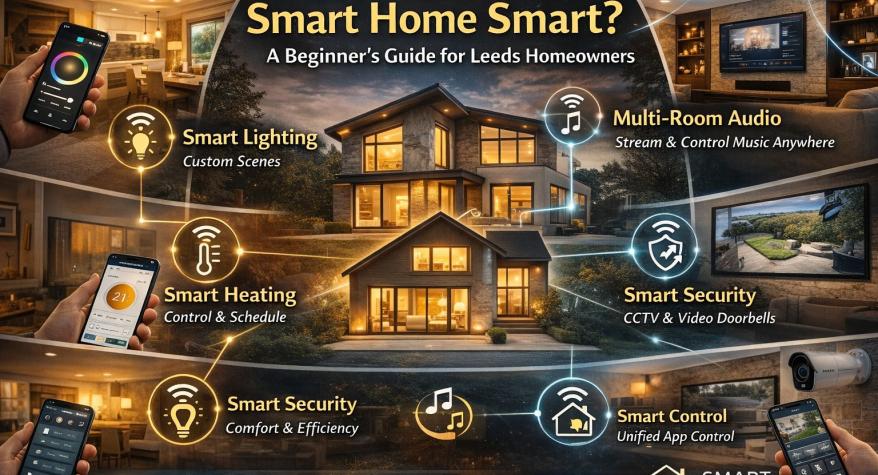
- What Can Be Included in a Smart Home System?
- Our Process
- Why Homeowners Choose SmartOhm
- What Others Get Wrong With Smart Home Systems
- Equipment and Brands We Use
- How Much Does a Smart Home System Cost?
- Smart Home Systems Near Me
- What to Expect When You Get in Touch
- FAQ SECTION
1) Smart Home Systems in Leeds, Harrogate, Wetherby and Boston Spa
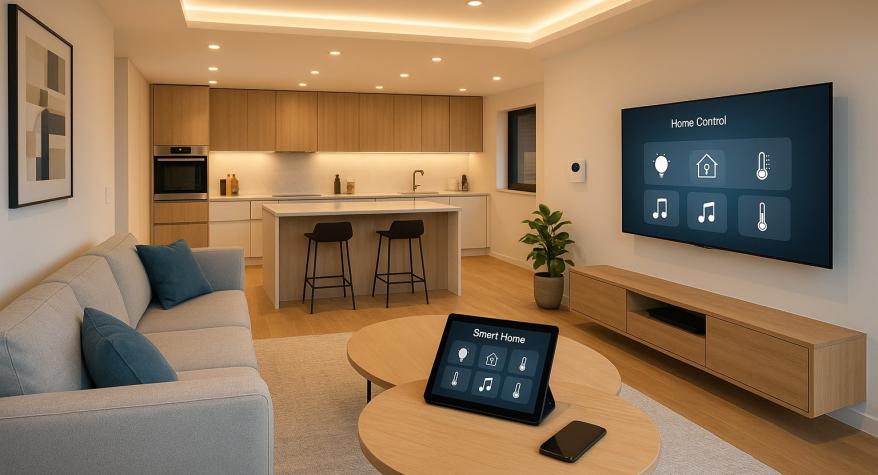
We recently installed a smart home system in Leeds that brought the lighting, blinds, audio and TV control together into one simple setup. The homeowner wanted the technology hidden away, but still easy to use every day.
We used Rako lighting control, Sonos audio, HDA multiroom video distribution and Ucontrol to tie everything together. A Rithum touchscreen on the wall gave the home a clean, premium control point, while handheld remote and app control meant the family could control the system from wherever they were.
I’ve worked as an electrician and smart home installer for 21 years, and the best systems are always the ones that feel simple once they’re finished. Behind the scenes there might be lighting control, video distribution, audio, blinds and automation, but from the customer’s point of view it should just work.
Back to top2) Smart Home Systems Designed Around Daily Life
A good smart home system should make your home easier to live in, not harder.
In most cases, homeowners come to us because they want fewer remotes, less visible equipment, cleaner rooms and better control over lighting, blinds, music and television.
The best way to deal with this is to design the system properly before anything is installed.
We look at how you use the home, which rooms matter most, what you want to control, and how simple the finished setup needs to feel.
For some homes, that may be smart lighting and blinds.
For others, it may include multiroom audio, TV distribution, hidden AV equipment, wall touchscreens, app control and handheld remotes.
We design and install Smart Home Systems in Leeds, Harrogate, Wetherby, Boston Spa for homeowners who want a connected home that looks clean, works smoothly and feels straightforward to use.
Back to top3) A Recent Smart Home Installation in Leeds
One recent Leeds project is a good example of how we approach smart home design.
The brief was to control:
- Lighting
- Blinds
- Audio
- TVs
- Sky boxes
- Firestick
- CCTV
- PlayStation
The homeowner wanted a premium finish with no visible boxes, messy cabling or separate equipment scattered around the house.
We centralised the equipment in a cupboard, keeping the main rooms clean and uncluttered.
This meant Sky boxes, Firestick, CCTV equipment and PlayStation could all be hidden away, but still controlled from different rooms and distributed to every TV in the house.
We used:
- Rako lighting control
- Sonos audio
- HDA for multiroom video distribution
- Ucontrol for overall system control
- Rithum touchscreen control on the wall
The end result was a seamless system that allowed control from a wall touchscreen, handheld remote and app.
That is the difference between fitting smart gadgets and designing a proper smart home system.
Back to top4) What Can Be Included in a Smart Home System?
Every home is different, but our smart home systems can include:
4.0.1) Smart Lighting Control
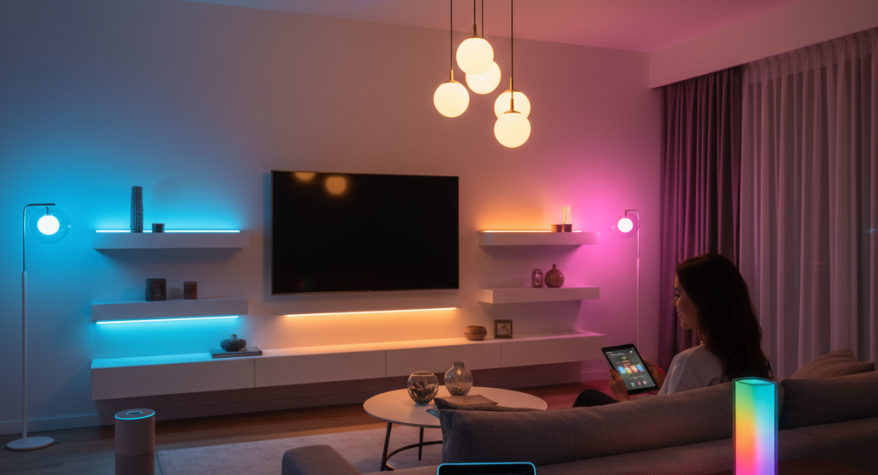
Smart lighting allows you to control individual lights, groups of lights or pre-set scenes.
For example, you might have scenes for cooking, dining, watching TV, relaxing or leaving the house.
We install systems such as Rako lighting and Lutron lighting because they are proven, reliable and suited to proper home automation projects.
4.0.2) Automated Blinds
Automated blinds can be controlled by switch, remote, app or automation.
We work with Lutron lighting and blinds, along with Silent Gliss blinds, depending on the property and requirements.
Blinds can be linked with scenes, so one button can dim the lights, lower the blinds and start the room ready for the evening.
4.0.3) Multiroom Audio
Sonos audio is a popular choice for homeowners who want easy music control throughout the home.
It can be integrated into a wider smart home system so music can be controlled from the same interface as lighting, TV and blinds.
4.0.4) TV and Video Distribution
With HDanywhere and HDA systems, sources such as Sky, Apple TV, Firestick, CCTV and games consoles can be stored centrally and distributed around the home.
This gives rooms a much cleaner finish because the equipment is not sitting underneath every television.
4.0.5) Touchscreens, Remotes and App Control
Different family members often prefer different ways to control things.
Some like a wall touchscreen.
Some prefer a handheld remote.
Some use the app.
A properly designed system allows these to work together rather than fighting against each other.
Back to top5) Our Process
We keep the process straightforward.
1. Initial Phone Discussion
We start with a phone discussion to understand what you’re trying to achieve.
This is usually a practical conversation about your home, the rooms you want to control and the systems you already have.
2. Site Survey
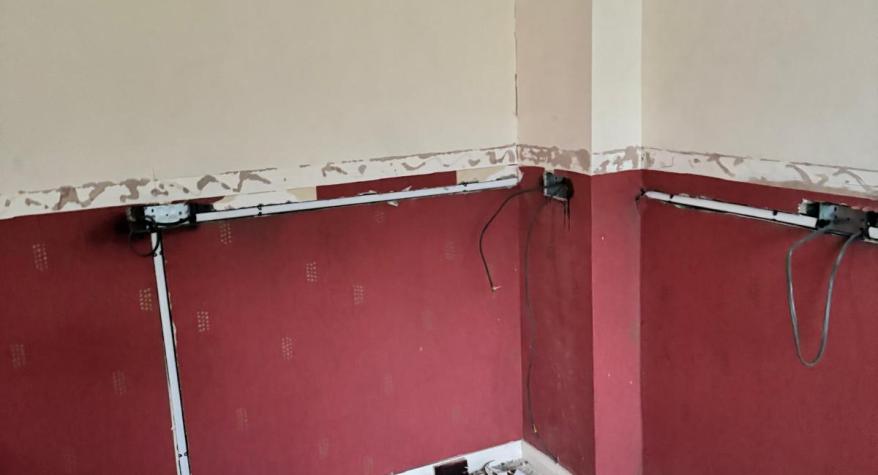
We then visit the property to look at the layout, existing wiring, equipment locations, Wi-Fi and network requirements.
For smart home systems, the survey matters. A system is only as good as the planning behind it.
3. Proposal
After the survey, we create a proposal showing what we recommend and how the system will work.
We’ll explain the equipment, the control options and what will be hidden away.
The aim is to give you a clear system design before work begins.
Back to top6) Why Homeowners Choose SmartOhm
Smart home work needs more than just fitting devices.
It needs electrical knowledge, system design, product understanding and careful commissioning.
We’re NAPIT registered, Which? Trusted Trader approved, and trained installers for Rako, Lutron and Ucontrol systems.
We also have over 80 customer reviews.
What we usually recommend is keeping the finished system as simple as possible for the people using it.
That means:
- Clean control points
- Reliable equipment
- Hidden cabling where possible
- Centralised equipment
- Proper labelling
Simple handover - Practical support after installation
We take pride in creating smart home systems that look good, perform seamlessly and feel easy to use.
Back to top7) What Others Get Wrong With Smart Home Systems
A common issue with poor smart home installations is that too many separate products are added without a proper plan.
You end up with one app for lighting, another for blinds, another for music, another for TV and several remotes that nobody understands.
It might technically be “smart”, but it doesn’t feel smart to live with.
Other common issues include:
- Equipment left visible in rooms
- Poor Wi-Fi or network planning
- No clear control method
- Unlabelled cabling
- Systems that rely too heavily on phone apps
- Cheap devices that become unreliable
- No proper commissioning
- No proper handover
The best way to avoid this is to design the system around the user experience from the start.
In most cases, the homeowner does not care how clever the system is behind the scenes. They care that the button works, the TV source appears, the lights dim correctly and the blinds move when expected.
Back to top8) Equipment and Brands We Use
We only specify products we are comfortable installing and supporting.
Common systems include:
8.0.1) Rako Lighting
Rako is a strong option for reliable lighting control, especially where homeowners want flexible scene control.
8.0.2) Lutron Lighting and Blinds
Lutron is well suited to premium lighting and blind control projects where reliability and finish matter.
8.0.3) Silent Gliss Blinds
Silent Gliss blinds are often used where high-quality automated blind control is required.
8.0.4) Rithum Switches
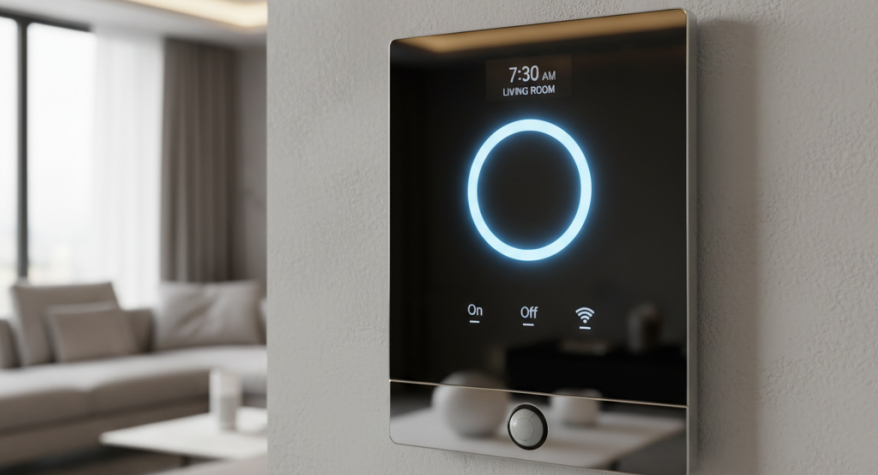
Rithum touchscreens provide a clean wall-mounted control point for smart home systems.
8.0.5) HDanywhere / HDA
HDanywhere systems allow video sources to be centralised and distributed around the home.
8.0.6) Ucontrol
Ucontrol helps tie multiple systems together so the home feels more joined up and easier to control.
These systems allow us to create Smart Home Systems in Leeds, Harrogate, Wetherby, Boston Spa that feel connected rather than patched together.
Back to top9) How Much Does a Smart Home System Cost?
Smart home system pricing depends on the size of the property, the number of rooms, the systems being controlled and the level of integration required.
A simple lighting and audio setup will cost less than a whole-home system with automated blinds, multiroom video, touchscreens and centralised AV equipment.
The main factors that affect price are:
- Number of rooms
- Lighting circuits
- Blind requirements
- Audio zones
- TV locations
- Video sources
- Network requirements
- Control interfaces
- Level of commissioning
We provide pricing after an initial discussion and site survey because every home is different.
That way, the proposal reflects the property and the finished result you actually want.
Back to top10) Smart Home Systems Near Me
If you’ve been searching for smart home systems near me, smart home installer Leeds, home automation Leeds, or Smart Home Systems in Leeds, Harrogate, Wetherby, Boston Spa, we can help.
We work with homeowners who want a considered system rather than a collection of gadgets.
Whether you’re renovating, building an extension, upgrading a media room or planning a full connected home, we’ll help design a setup that is simple to use and built around your home.
Back to top11) What to Expect When You Get in Touch
The first step is just a conversation.
We’ll ask what you’d like to control, what systems you already use and what problems you’re trying to solve.
It might be that you want lighting scenes, hidden TV equipment, better music control, automated blinds or one system to bring everything together.
From there, we’ll arrange a site survey and create a clear proposal.
You’ll get honest advice, practical recommendations and a system designed around how you actually live.
Back to top12) FAQ SECTION
What can a smart home system control?
A smart home system can control lighting, blinds, audio, TV, video sources and other connected systems. On a recent Leeds project, we brought lighting, blinds, Sonos audio, TV distribution and app control together through Ucontrol and a Rithum touchscreen.
Do I need a full smart home system?
Not always. In most cases, we recommend starting with the areas that will make the biggest difference, such as smart lighting, automated blinds or hidden AV equipment.
Can you hide Sky boxes and media equipment?
Yes. We can centralise equipment such as Sky boxes, Firestick, CCTV and games consoles in a cupboard and distribute them to TVs around the house using systems such as HDanywhere.
Can I control everything from my phone?
Yes, app control is usually possible. We also recommend proper wall controls or handheld remotes so the home is still easy to use without always reaching for your phone.
Which smart home brands do you install?
We install and work with Rako lighting, Lutron lighting and blinds, Silent Gliss blinds, Rithum switches, HDanywhere and Ucontrol.
Are you accredited?
Yes. We are NAPIT registered, Which? Trusted Trader approved, and trained in Rako, Lutron and Ucontrol systems.
How much does a smart home system cost?
It depends on the number of rooms, lighting circuits, blinds, audio zones, TV locations and control options. We provide a clear proposal after an initial discussion and site survey.
If you’re planning a renovation, extension or full smart home upgrade, SmartOhm are happy to take a look and advise. We’ll talk through what you want the system to do, check what’s practical in your home and provide a clear proposal without pressure.
Contact us today by phone - 0113 436 0017 or via our contact form.
Back to top